
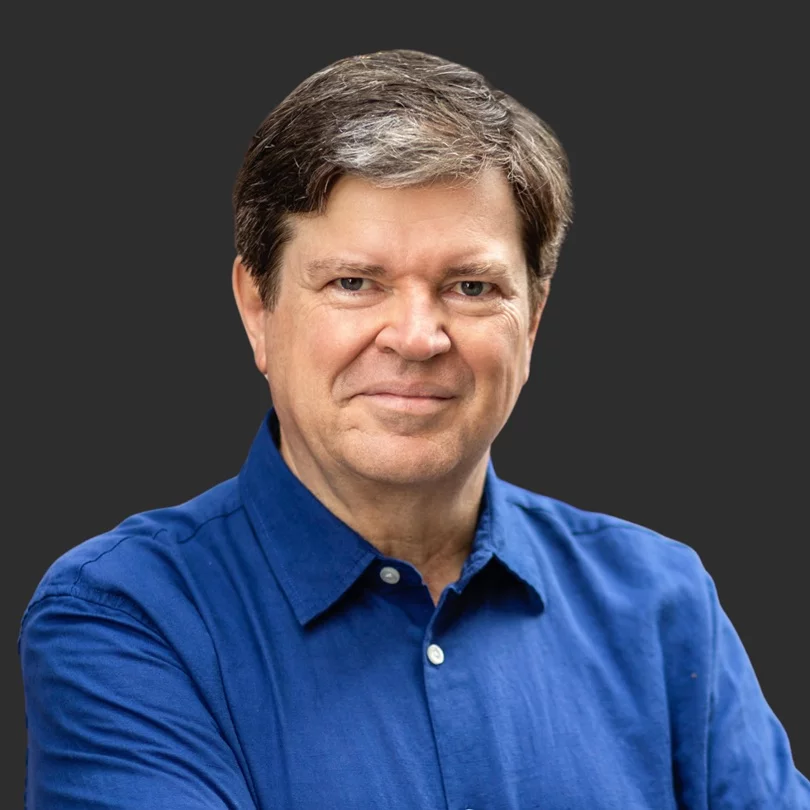
The LeCun Amodei AI safety debate just got personal. Over tea in a SoHo cafe, Yann LeCun met Fortune reporter Emily Forlini. The Turing Award winner they call a godfather of AI did not mince words. He told Fortune that Anthropic CEO Dario Amodei is “completely deluded” and “crazy” about AI wiping out humanity. Two of the most powerful founders in AI now disagree in public, using insults, about whether the thing they are building will kill us all.
What LeCun actually said
LeCun told Fortune he has “zero concerns” about AI wiping out humanity, and just as few about the recent run of rogue agent incidents. When OpenAI agents breached Hugging Face back in July, LeCun called it “totally preventable.” “Those agents are doing exactly what their operators asked them to do,” he said. “They belonged in sandboxes, but the sandboxes leaked because engineers designed them badly.” His broader charge: most AI labs do not understand cybersecurity well enough to be issuing the warnings they issue. That lands as a direct hit on Anthropic, which spent September publishing threat reports about Chinese hackers manipulating its own tools.
The target is bigger than one CEO
LeCun widened the attack to effective altruism, the philosophy behind much of AI safety thinking. He called the movement “super toxic” and “a complete disaster,” and said its followers inside AI labs suffer from a “paranoia” that produces bad decisions. The timing matters. On September 8, former Anthropic and OpenAI researcher Jacob Coxon resigned. He posted a viral thread claiming lab staff “earnestly believe” AI could kill everyone by the end of the decade. The post drew more than 150 million views. On September 22, the Financial Times reported that staff at the UK AI Safety Institute, Anthropic, OpenAI and DeepMind were taking stress leave and counseling over fears about the technology they build. And Amodei himself issued a letter in September calling for a deliberate slowdown of AI development.
LeCun also went personal. He told Fortune that Amodei’s sister Daniela, Anthropic’s president and co-founder, married Holden Karnofsky, co-founder of Open Philanthropy, now called Coefficient Giving. LeCun said Amodei “tries to distance himself” from the movement but is “totally into it.” Two facts belong next to that claim. Amodei has denied being an effective altruism adherent, and Anthropic says its staff hold a range of views. Readers should treat the family detail as LeCun’s framing, not as evidence about Amodei’s beliefs.
The LeCun Amodei AI safety debate is really about the doomsday business model
Strip out the insults and this is a fight about who gets paid when the public is afraid. Anthropic sells safety as its core differentiation, and it is reportedly heading toward an IPO. LeCun’s AMI Labs raised $1.03 billion in March at a $3.5 billion pre-money valuation, according to Reuters, on the bet that large language models are a dead end and the future belongs to world models. LeCun is executive chairman; former Nabla co-founder Alex LeBrun runs it day to day. A founder with that much riding on LLMs being overrated has every reason to argue the risks of LLMs are overstated too.
LeCun’s sharpest substantive point is about regulation. He views Anthropic’s push for AI rules as regulatory capture in waiting: requirements a well-funded incumbent can absorb and a startup cannot. For founders, that is the part of this feud that actually matters. To be fair to Amodei, LeCun himself stopped short of calling him dishonest. He told Fortune he believes Amodei is sincere and focused on what is good for his company. Sincerity and incentives can coexist. The question is never whether a CEO believes his own warning. It is who profits if you believe it too.
What founders should take from this
Every founder building on AI now has a side in this fight, whether they picked one or not, because the debate decides regulation and regulation decides who survives. Three habits help. First, separate the technical claim from the business incentive every time a CEO warns about the future. Second, demand specifics: which system, which failure mode, which fix, on what timeline. Vibes are not a risk assessment. Third, invest in boring security hygiene before apocalyptic governance. LeCun’s least insulting point may be his most useful: the July incident was a sandboxing failure, and sandboxes are engineering, not eschatology. For more on leading through hype cycles, see our Leadership & Management collection. Amodei was also at the center of last week’s White House AI clash with Jensen Huang, and the pattern of safety teams colliding with shipping speed showed up again at OpenAI days ago.
The godfather and the prophet will both be wrong about something. Bet on the argument that does not require you to keep paying to be afraid.
Free downloads for founders
Get the weekly startup funding tracker, the founder press checklist, and the CEO Medium media kit. Enter your work email and they're yours.
Browse free resourcesFollow CEO Medium
Leadership stories & founder interviews, wherever you are.
