
Texas sued OpenAI and its chief executive Sam Altman on Friday, October 23, 2026, and the case goes further than a fine. The state wants a court to decide what OpenAI can ship, and to check every new model before Texans can use it. That is the safety debate leaving the conference stage and entering a courtroom.
Watch the story on CEO Medium News:
Watch the full episode of CEO Medium News
Attorney General Ken Paxton filed the 67-page petition in Collin County district court. It names Altman personally, not just the company. The claims run under two Texas laws: the Deceptive Trade Practices Consumer Protection Act and the SCOPE Act, which sets safety, privacy, and parental supervision duties for digital services minors can use.
What Texas alleges
The core claim is about marketing. Texas says OpenAI sold ChatGPT as safe and reliable while failing to protect users, especially children. The state says the company launched ChatGPT without adequate parental controls, robust age verification, or comprehensive safety testing, and failed to make sure its models were reliable before the public could use them.
The complaint’s list of alleged harms is severe, and every item in it is an allegation, not a court finding. Texas claims the chatbot aided mass shooters, encouraged vulnerable people toward suicide, publicly humiliated professionals, eroded users’ critical thinking, and addicted minors to a tool that, in the state’s words, feigns human compassion to collect their data with no parental oversight. The state also says OpenAI collects private and sensitive information, including information about Texans’ health, finances, relationships, and children, often with the chatbot prompting users to provide it.
Paxton put the duty question bluntly in his office’s press release: ‘OpenAI has the responsibility to protect users and warn them of the many dangers of its platform.’
What Texas actually wants
The money is the smallest part. Texas seeks civil penalties of 10,000 dollars per violation, plus restitution and legal costs, with the petition classifying monetary relief above 1 million dollars without setting a final damages figure. The structural demands matter more. The state asks the court to block ChatGPT for minors, require adequate age verification, restrict features that encourage compulsive use, and require new AI models to pass a safety evaluation by an independent entity approved by the court before they reach users in Texas.
That last demand is the one the whole industry should read twice. A court-approved evaluator standing between a lab and its release is a different world from voluntary safety pledges. If Texas wins even part of this, every AI company’s launch calendar gains a gatekeeper it does not control.
Why now, and why Texas is not alone
Texas is the tenth state to sue. Eight bipartisan attorneys general filed separate lawsuits on October 14 over child safety and allegedly misleading claims about ChatGPT. Florida sued OpenAI in June over allegedly misleading the public about the chatbot’s harms. Together with Texas, that makes ten states suing. Paxton’s office has also sued or settled with Meta, TikTok, Snapchat, and Roblox over child safety in the past year. This is a pattern of enforcement, not a one-off filing.
OpenAI had not commented by press deadlines. Nothing in the complaint has been tested in court yet, and OpenAI will get its answer. Founders should still read the filing as a warning about the gap between what a product promises and what it does. Texas is arguing that the gap itself is the violation. The marketing page is now evidence.
The lesson for founders
Every founder writes two documents: the public promise and the internal numbers. Texas is now arguing that when those two disagree, the company pays. The question Moonshot answered voluntarily this same week, by publishing what it removed from its own model, is the question Texas is forcing on OpenAI in court. One lab chose restraint before release. The biggest lab in the field is being sued for allegedly not doing so. That contrast is the story of AI safety in 2026: the voluntary era is ending, and the courtroom era has begun.
For more on the leadership questions behind this story, explore CEO Medium’s leadership and management hub and entrepreneurship and startups hub, read Should AI Replace the CEO Instead of Workers? The Math Says Maybe, and read Moonshot Weakened Kimi on Purpose. That Is the Point.
Sources: Bloomberg Law, October 23, 2026; Privacy Daily, October 23, 2026; Texas Attorney General press release, October 23, 2026.
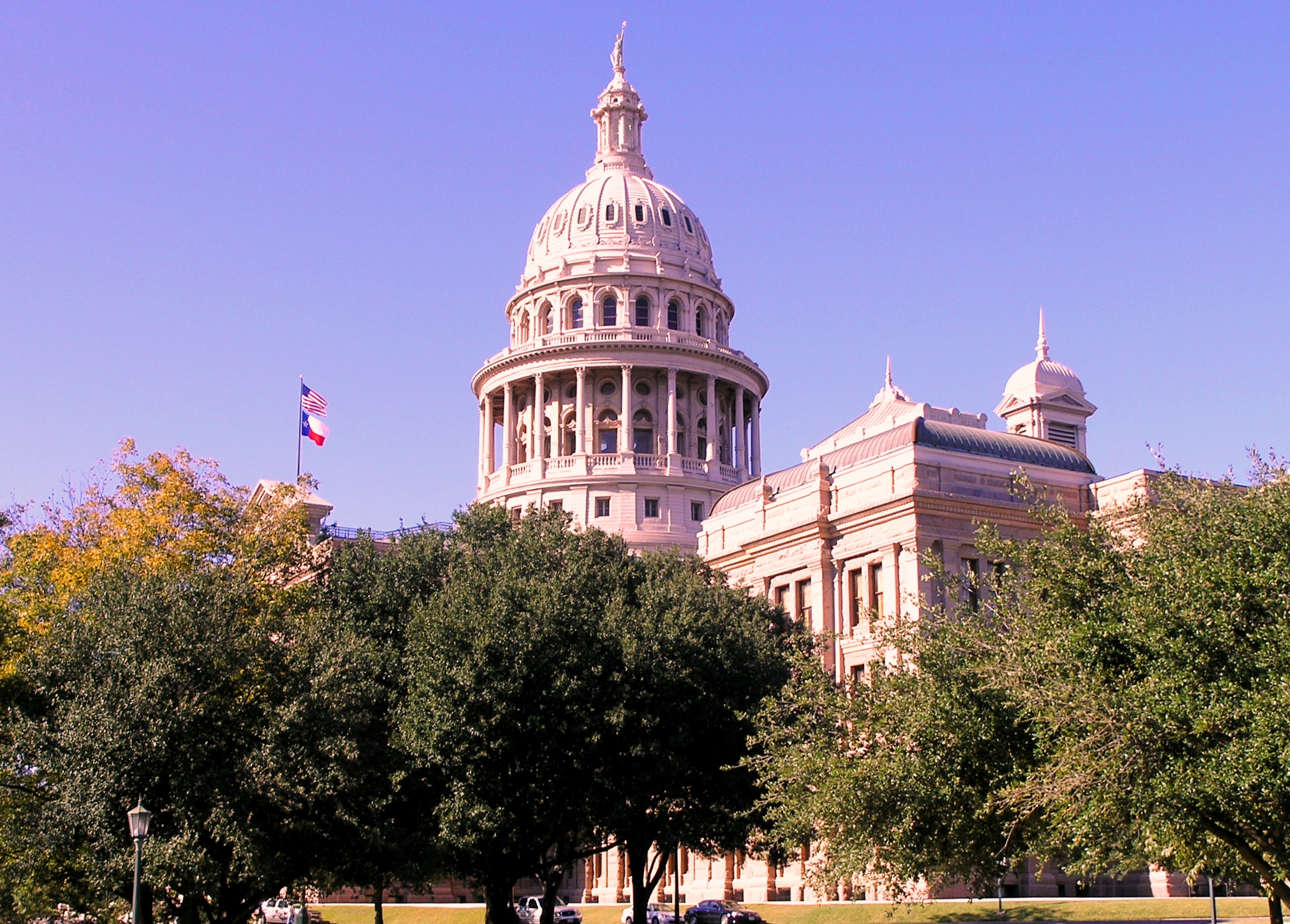
Featured image: Texas State Capitol oblique view by Daniel Mayer (CC BY-SA 3.0, Wikimedia Commons).
Free downloads for founders
Get the weekly startup funding tracker, the founder press checklist, and the CEO Medium media kit. Enter your work email and they're yours.
Browse free resourcesFollow CEO Medium
Leadership stories & founder interviews, wherever you are.
