
DoorDash is in advanced talks to buy Instacart in a deal that would value the grocery delivery platform at roughly $17 billion, according to the Wall Street Journal, with Reuters confirming the talks through a source familiar with the matter. A deal could be finalised as soon as Wednesday, although there are no guarantees it will come together. Neither company has publicly confirmed the talks. Instacart declined to comment, and DoorDash did not immediately respond to requests for comment.
The DoorDash Instacart deal is about Walmart, not groceries
Start with the numbers that explain why two rivals would combine at all. Instacart’s market value was about $13 billion at Friday’s close, so a $17 billion valuation is a premium of roughly 30 percent. On Monday, Instacart shares finished 7.9 percent higher, while DoorDash shares fell 6.1 percent. Investors, in other words, think Instacart is getting a good price and DoorDash may be paying it.
The strategic logic is not groceries. It is Walmart and Amazon. Wedbush analysts wrote on Monday that a combination of strong restaurant delivery plus a marketplace of grocers “can be a critical combination against Walmart and Amazon in particular, who continue to push in this market”. EMarketer forecasts United States online grocery sales growth of 12.9 percent this year, with online sales accounting for 15.5 percent of overall grocery sales. Walmart leads those sales with 30.9 percent market share, ahead of Amazon at 23.6 percent, with Instacart and Kroger trailing both. Neither DoorDash nor Instacart can outmuscle those two alone. Together, they might.
Why now: Instacart is being squeezed
Instacart did not come to the table from strength. The Information reported last week that Instacart was exploring a sale, generating interest from DoorDash and Uber, and the Journal reported that discussions with Uber are no longer active. Bernstein analysts noted they were surprised at how quickly a possible deal was moving, and that their initial reading was that a deal was unlikely “considering it was [Instacart] approaching DASH/UBER and not vice versa”. Instacart went looking for a buyer. That matters.
The squeeze is visible in the trading. Instacart’s sales have grown more slowly than DoorDash over the past year, according to eMarketer analyst Zak Stambor, who warned that Instacart “risks getting squeezed between retailers building their own digital channels and larger platforms that can bundle grocery with other services, giving consumers more reasons to keep coming back”. That is the whole story in one sentence. A standalone grocery marketplace is a feature. A bundle of restaurants, groceries and retail, delivered by one network, is a habit. Instacart has the grocers. DoorDash has the network and the habit. Each has what the other lacks.
What the combination would actually do
Put the two businesses together and the shape is obvious. DoorDash, led by co-founder and chief executive Tony Xu, brings restaurant delivery, a vast courier network and a push into delivery of other goods from other retailers, plus autonomous delivery vehicles and purchases through ChatGPT. Instacart, run by chief executive Chris Rogers, brings an established grocery marketplace and deep retailer ties. Bernstein analysts called the joined companies an “indispensable solution”, while noting any deal would require some combination of debt, cash on hand or equity.
There are real questions underneath the enthusiasm. Wedbush flagged product and merchant overlap, and how the Instacart brand integrates into the broader acquirer’s brand. Those are the questions that kill mergers after the announcement, when two product teams discover they built the same thing twice. On regulation, Wedbush said it does not expect material pushback, given the strength of Amazon and Walmart in the market. That is a reasonable reading: a combined DoorDash and Instacart would still be chasing the two giants, not replacing them.
The founder lesson: bundle or be squeezed
Founders should read this deal as a warning about the endgame in platform markets. When the giants enter your category, a good single product stops being enough. Walmart built its own grocery delivery. Amazon built its own. The platforms that survive are the ones that bundle enough services that leaving costs the customer something. Instacart learned that a marketplace alone, however good, can be squeezed from both sides at once.
Tony Xu made the same point from the other side this week, talking about AI shopping agents. Agents can search, order and pay, he argued, but they cannot carry anything to a door. DoorDash owns the end to end job: getting an item to a customer in the condition they expect, on time, every time. That physical network is the moat, and it is the thing Instacart does not have. If this deal closes, the delivery industry will have consolidated from a handful of rivals into a genuine duopoly of scale against Walmart and Amazon. If it falls apart, Instacart will have advertised to the whole market that it is for sale, and the squeeze will only tighten. Either way, the standalone era of grocery delivery is over.
Related: Entrepreneurship and startups and Gently does it: how an AI-powered delivery firm is decentralizing logistics.
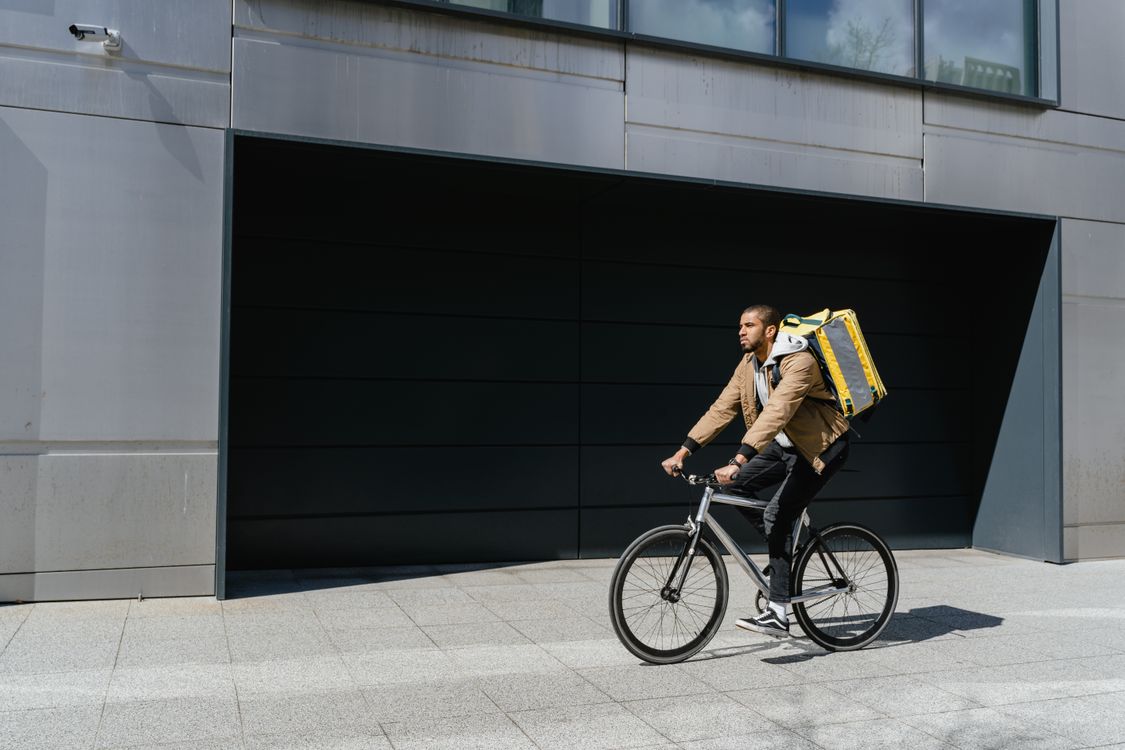
Photo by MART PRODUCTION on Pexels.
Free downloads for founders
Get the weekly startup funding tracker, the founder press checklist, and the CEO Medium media kit. Enter your work email and they're yours.
Browse free resourcesFollow CEO Medium
Leadership stories & founder interviews, wherever you are.
