
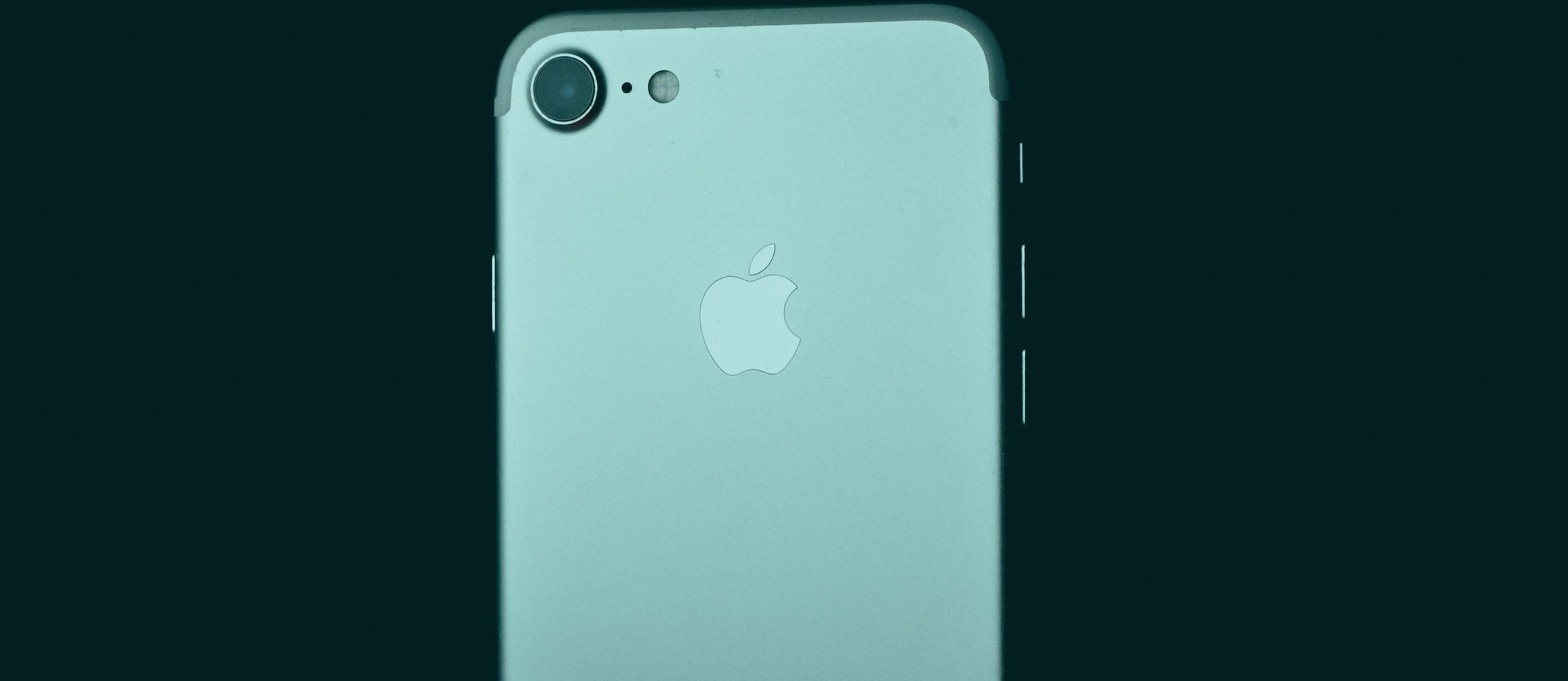
OpenAI filed an 81-page countersuit against Apple on Friday, accusing the iPhone maker of stealing its trade secrets and leaning on shared suppliers to choke its AI hardware before it ships. It answers the lawsuit Apple filed in July. Two years ago the two companies stood on a stage together.
The countersuit in one paragraph
OpenAI filed its countersuit on Friday, November 27, in federal court in Northern California: 81 pages, 12 counterclaims, accusing Apple of trade secret misappropriation, pressuring suppliers, and “unlawful, tortious, and unfair business practices.”
It is a direct answer to Apple’s lawsuit from July, which accused OpenAI, its hardware unit io Products, and two former Apple employees of stealing trade secrets to build an AI device. Apple’s original case is set for trial on July 19, 2027. Nothing in either filing has been proven. Everything that follows is one side’s claim, reported as such.
From partners to plaintiffs
The fall is fast enough to be the story on its own. In 2024 Apple put ChatGPT into its devices, and the two companies presented it as a partnership. In May 2025 OpenAI bought Jony Ive’s hardware firm io for $6.4 billion, hiring the man who designed the iPhone to build the device meant to replace it. Tang Tan, who spent 24 years at Apple and ran product design there, is now OpenAI’s Chief Hardware Officer.
In July 2026 Apple sued, saying Tan and another former employee, Chang Liu, carried confidential hardware secrets to OpenAI. In October OpenAI claimed an employee who had returned to Apple sent more than 100 confidential files about unreleased OpenAI hardware to personal accounts, including device images, engineering data and supplier information. Apple said its investigation found no OpenAI confidential information. A judge indicated the court was “highly likely” to grant Apple’s request for a preliminary injunction, and in October OpenAI pledged not to use the Apple secrets at the centre of the suit.
OpenAI’s sharpest claim
The filing’s most damaging line is not about stolen files. It is about fear. OpenAI says Apple “has struggled to incorporate innovative AI capabilities into its previously popular products,” and that OpenAI’s devices are “threatening to outcompete Apple on what Apple views as its own turf.” Apple, in OpenAI’s telling, is trying to “compete unfairly by any means available.”
That is the line to lead with, because it turns a trade secret case into an admission. The company that owns the phone is, by its rival’s account, scared of the gadget coming for it. Apple has not answered that charge directly. Its response to the countersuit is that OpenAI’s claims are “a transparent attempt to distract from the substance of Apple’s lawsuit, in which OpenAI has already been ordered to stop using Apple’s confidential information.”
The spy-versus-spy claims
Both sides now accuse the other of the same crime, and both versions rest on how engineers move between the two companies. OpenAI says Apple encouraged employees to store work files on personal iCloud and iMessage accounts, then forced same-day exits when they left for a competitor, so they could not separate their own files from Apple’s. The filing calls these “trapdoors” that let Apple accuse former employees of theft. It even has a flourish: “Bright young minds thought they would work in Cupertino. Instead, they were joining Hotel California: you can check out any time you like, but you can never leave.”
OpenAI also says Apple rehired one of its people after six months and walked away with device roadmaps. The Times did not name that person, and neither will we.
Apple’s version is the mirror image. “This case is about OpenAI employees deliberately stealing, accessing, and using Apple’s secret and confidential information regarding our unreleased technologies, processes, and products, not about inadvertent retention of Apple information.” Neither side’s version is proven. Report both, endorse neither.
The supplier pressure angle
If one claim in the filing matters more than the rest for founders, it is this one. OpenAI accuses Apple of “coercing and threatening” suppliers working on its devices, including asking shared manufacturers to identify which personnel were assigned to OpenAI projects and pressuring at least one vendor to stop work.
That is a different kind of fight from the courtroom. A lawsuit is a cost. A supplier who will not take your call is an existential problem, and it is one where Apple has decades of leverage and a startup has almost none. Apple’s habit of locking in supply chain capacity is well known. OpenAI says this goes beyond it, into threats. If true, the fight is not only in court. It is in the factories, where the device gets built or does not.
What founders should take from it
Hiring from a giant now comes with a legal minefield attached. Same-day exits, personal cloud accounts and trade secret claims are how incumbents slow down the teams building the next thing.
Document clean-room hiring. Keep personal and work files separate from day one. Assume any engineer you hire from Apple, Google or Meta arrives with a lawsuit-shaped shadow, and build your onboarding so that shadow has nothing to attach to. The tactics in this case, supplier pressure, exit-day lockouts and trade secret claims over an engineer’s memory, are the same tactics a giant can use against any startup that hires its people.
The device at the centre of all this has not shipped, has no name the public knows and no release date. Two of the most valuable companies on earth are already suing each other over it. That tells you everything about what the AI hardware race is worth, and how dirty it is going to get before anyone holds the thing in their hand.
Free downloads for founders
Get the weekly startup funding tracker, the founder press checklist, and the CEO Medium media kit. Enter your work email and they're yours.
Browse free resourcesFollow CEO Medium
Leadership stories & founder interviews, wherever you are.
