
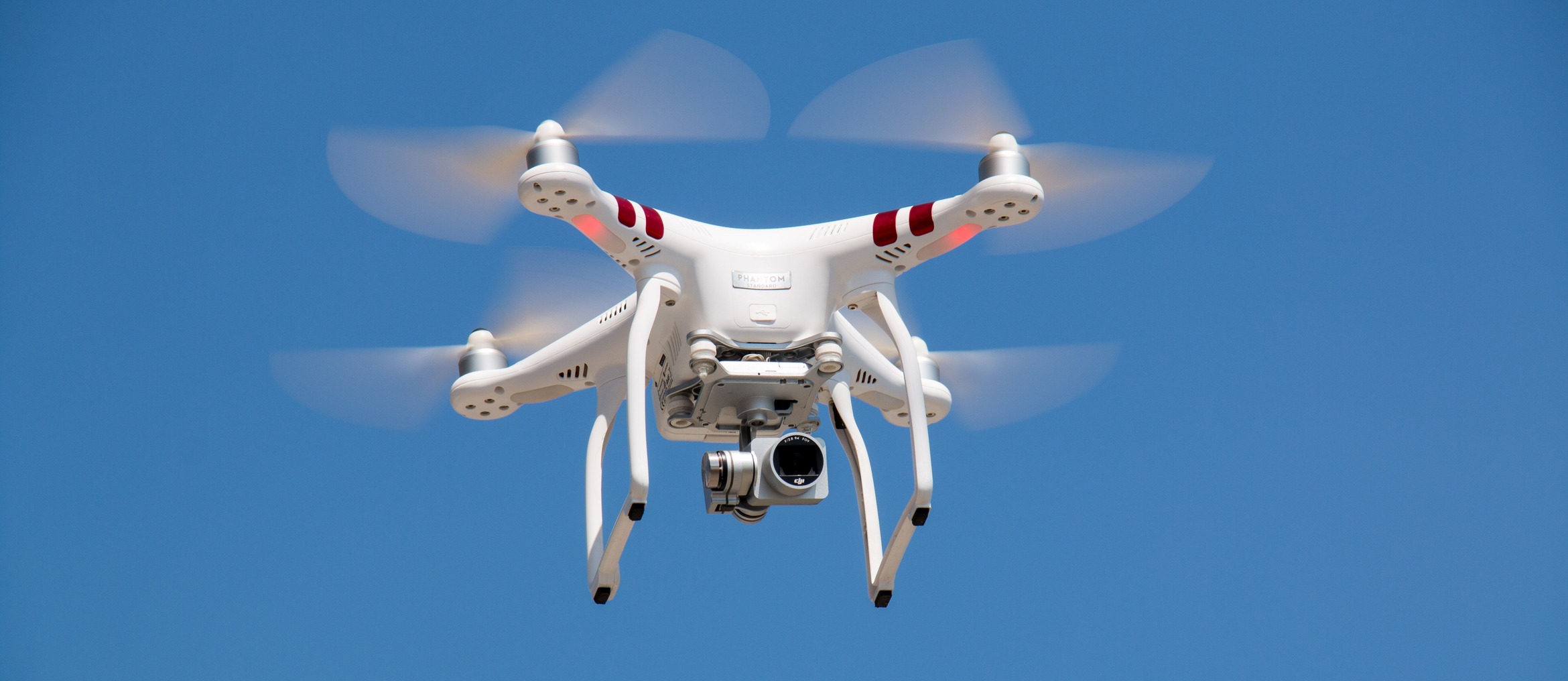
Zipline funding just set the new bar for what investors will pay for proof. On November 5, the drone delivery company announced a $1.5 billion raise at a $21.5 billion post-money valuation, nearly tripling the $7.6 billion mark it carried in January. The round was led by Paradigm, WCM Investment Management and Layer Global, with Uber, Tiger Global, J.P. Morgan, Fidelity, ARK Invest and Salesforce Ventures among the participants. On the same day, Walmart signed a national multi-year agreement to put Zipline drones in 300 additional stores.
The timing is the story. On that same Thursday, the Nasdaq 100 fell 6.36 percent, its worst session since March 2020, as investors audited the AI spending boom and wiped about $2.5 trillion off the index. One market spent the day asking whether $740 billion a year of AI infrastructure spending will ever earn its keep. Another handed $1.5 billion to a company that moves real things through real air. The money is not leaving technology. It is moving from promises to proof.
The Zipline funding round, in numbers
Start with the valuation path, because it is the fastest repricing of a big private company this year. Zipline was worth $4.2 billion in 2023, according to Intellizence. It raised more than $600 million in January at $7.6 billion, then added a $200 million extension in March. Ten months after January, it is worth $21.5 billion, about 2.8 times the January mark. It has raised roughly $2.3 billion in 2026 alone.
The money has a specific job. Zipline says it will expand its US manufacturing facilities and hire more people as it builds a nationwide drone delivery network. This is a buildout, not a runway extension. A company raising to stay alive does not sign a national agreement with Walmart in the same announcement. The 300 sites are the point of the raise, and the raise is the funding for the 300 sites.
Keep one caveat in view. A $21.5 billion private valuation is a price investors agreed in a negotiation, not a market price set by public trading. It is not proof the AI bubble is over, and it is not proof drones are safe. It is proof that a specific group of investors, including some of the biggest names in venture capital, believe this specific company can turn deliveries into a national network. That is a narrower claim, and a more interesting one.
From blood in Rwanda to Walmart parking lots
Zipline was founded in March 2014 in Half Moon Bay, California, by Keller Rinaudo Cliffton, Keenan Wyrobek, Ryan Oksenhorn and William Hetzler. Its first commercial service launched in Rwanda in October 2016, flying blood to 21 transfusion facilities from a distribution center in Muhanga. It was the first national drone delivery service anywhere. Ten years later, the same company flies groceries to suburbs in Texas.
The medical business never went away, and it is still the moral core of the story. Zipline says its aircraft have flown 150 million commercial autonomous miles without a safety incident, and that its long-range medical deliveries help save more than 14,000 lives each year across multiple continents. It is building a nationwide network in Cote d’Ivoire expected to serve more than 2,200 health facilities and 12 million people. Those are company figures, not independent audits, but the scale is the point. No other drone company can show a decade of daily flights.
What Walmart and Uber are actually buying
Walmart is the customer that makes the valuation legible. The retailer has worked with Zipline since 2021, and the two companies run 21 active delivery sites together today. The new agreement adds 300 more, with room to grow further. Walmart says its drone program has completed more than two million deliveries, and it calls itself the operator of the largest retail drone delivery operation in the country. Walmart does not put a startup in 300 stores on a hunch.
The operating numbers behind the deal come from Dallas-Fort Worth, where Zipline says it made more than one million deliveries in 2026 alone. In October, the median order arrived 19 minutes after checkout, against more than 30 minutes for traditional delivery. The median bakery order arrived in 10 minutes. A cohort of its longest-tenured restaurants told Zipline that its share of their delivery revenue grew from 10.8 percent to 34.9 percent between March and October, and that delivery sales rose 26 percent, with 80 percent of the increase coming from Zipline orders. Zipline also notes that only 5 percent of US restaurant orders are for delivery today, because cost and travel time make longer trips unattractive. Drones change that arithmetic.
Uber is the second bet. The company invested in this round and, according to Zipline, is targeting one million deliveries a day with Zipline by 2029, starting with Uber Eats orders in existing markets. That target is Zipline’s statement of Uber’s aim, not a commitment Uber has published itself, so read it as ambition rather than a promise. The partnership itself is real: Uber announced a strategic partnership and investment in Zipline in August to bring drone delivery into Uber Eats.
The week the money moved
Zipline was the biggest of six rounds totalling $4.76 billion that Intellizence tracked between November 2 and 5. The next biggest was Fal, the AI inference startup, which raised $1.3 billion in a Series F at a $16 billion valuation, double its $8 billion mark in April. Fal passed $800 million in annualized revenue earlier this year. CesiumAstro raised $730 million, Northwood Space $375 million, Nooks $500 million. The week had a pattern: the biggest checks went to companies that could show operating scale, whether that was inference revenue or a million deliveries in Texas.
That pattern is the real story, and it cuts against the simple version of the argument. This was not a week when investors abandoned AI. Fal is an AI company, and it doubled. What investors paid for, in both cases, was proof that the machine works at scale and that customers pay for it. The AI selloff punished spending without a visible return. The mega-rounds rewarded revenue, deliveries and signed customers. Software demos are cheap. A million deliveries in Dallas is not.
What could still go wrong
The valuation still has to survive contact with reality. Zipline has not disclosed revenue, profit per order, or what each new site costs to open. The 300 Walmart sites have no named states and no dates attached, and the agreement spans multiple years. The national network is a plan, not a finished fact. The drone rule that would make long-distance flights routine, the FAA’s Part 108, is still pending review at the White House, and Zipline flies today on individual Part 135 approvals. Reuters noted that regulatory approvals and community concerns over noise and safety remain barriers to wider adoption.
None of that makes the raise a mistake. It makes it a bet with a visible scoreboard. Watch three numbers: how fast the first of the 300 Walmart sites actually opens, whether the Dallas delivery count keeps growing, and whether Uber’s million-a-day target survives its first year inside Uber Eats. Those numbers will decide whether $21.5 billion was a bargain or a peak.
What founders should take from this
If you are building in the physical world, lead with operating numbers, not vision. Zipline’s pitch was not a picture of the future. It was a million deliveries, a 19-minute median, and a customer as big as Walmart signing for 300 more sites. If you are building software, borrow the same discipline. Fal raised $1.3 billion on $800 million of annualized revenue, not on a demo. The founders who will raise the next mega-rounds are the ones who can show the metric that proves the machine works, then show the customer who already pays for it.
Zipline started by flying blood to hospitals that roads could not reach. Twelve years later, investors value that idea at $21.5 billion, and Walmart is betting 300 stores on it. The drones beat the chatbots to the real money this week because they had something the chatbots did not: a delivery, a time, and a customer waiting at the other end. More startup funding stories are on the Startups hub. The Startup Funding Tracker follows every mega-round as it lands, and the DoorDash Instacart deal is the other big bet on who owns delivery.
Free downloads for founders
Get the weekly startup funding tracker, the founder press checklist, and the CEO Medium media kit. Enter your work email and they're yours.
Browse free resourcesFollow CEO Medium
Leadership stories & founder interviews, wherever you are.
