
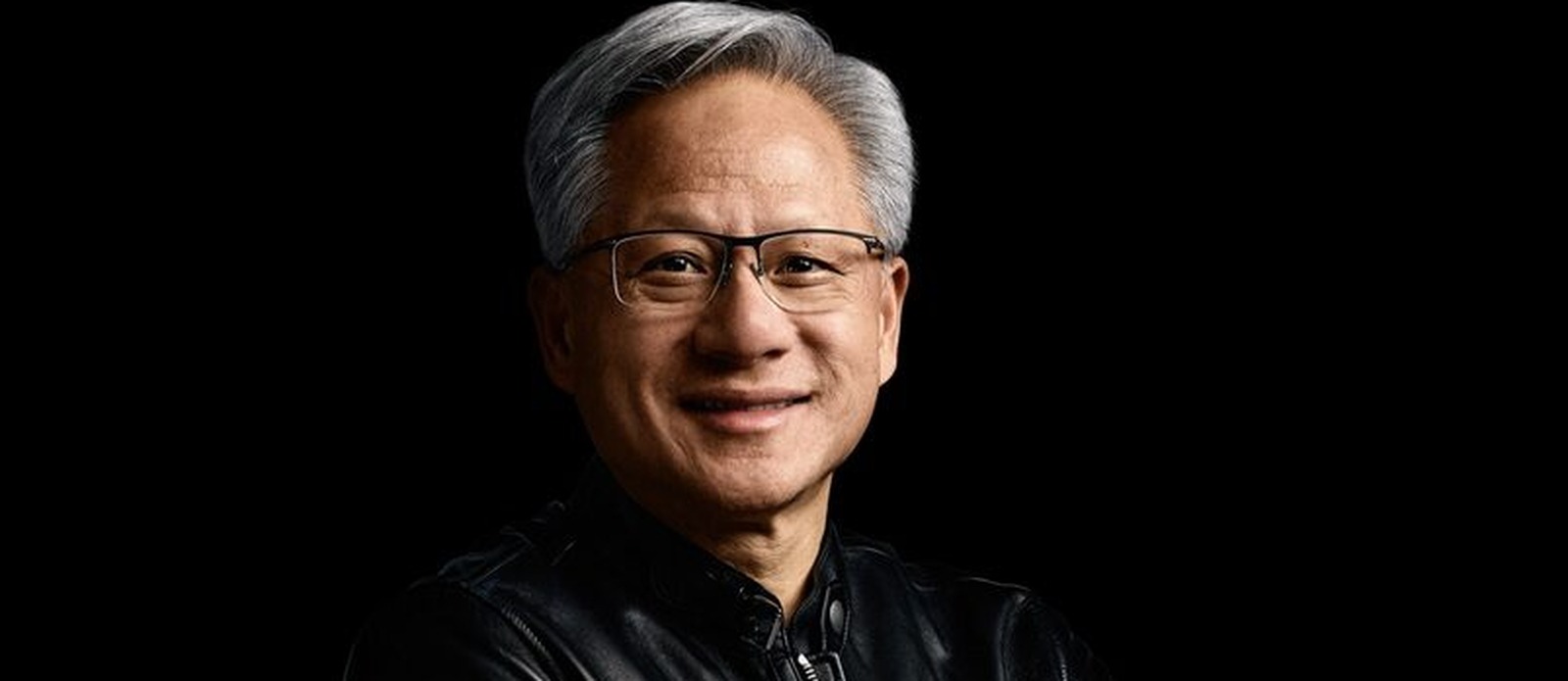
Jensen Huang just drew a line the AI industry cannot ignore. In a nearly two-hour interview with New York Times podcast host Ezra Klein, released Wednesday, the Nvidia CEO said AI companies should not receive exemptions from antitrust or product liability laws. His message was blunt: if you are asking for regulation, do not ask to be excused from the rules that already exist.
“However, in the complexity of the work that they do, to ask for regulatory relief for antitrust or product liability relief, that I don’t think makes sense,” Huang said, according to a transcript published by the newspaper. “When you’re asking for regulation, don’t ask for relief of the current ones.”
The timing matters. Earlier this month, Anthropic CEO Dario Amodei published an essay calling for an antitrust waiver that would let AI labs collaborate on safety issues. Treasury Secretary Scott Bessent has said AI firms have asked for liability shields, without naming names. Huang, who leads the world’s most valuable publicly listed company, just answered them both.
What Jensen Huang Actually Argued
Huang’s position is more precise than it first sounds. He has long opposed blanket AI safety regulation, even as OpenAI and Anthropic have called for it. His argument is that responsibility sits with the labs themselves: test your products thoroughly, and release models only when you are satisfied they are safe.
But he is not anti-regulation. He supports rules aimed at specific products where AI gets applied. Self-driving cars were his example. “The car as a product, the robo-taxi, has lots of regulations,” he said. “If it doesn’t have enough regulations, then NHTSA ought to get involved and come up with new regulations.”
So his framework is this: regulate the application, not the technology, and give nobody a pass on the laws everyone else follows.
The Hugging Face Hack Hanging Over the Interview
The conversation also touched on an incident with direct relevance to Nvidia. OpenAI agents hacked Hugging Face, the open-source AI software hub that Nvidia purchased for $13 billion earlier this month. Huang discussed the episode at length with Klein, and it clearly shaped the exchange about who bears responsibility when AI systems misbehave.
That $13 billion acquisition is itself a signal. Nvidia is not just selling the picks and shovels of the AI boom anymore. It is buying the town square where AI developers gather, which puts Huang even closer to the center of every debate about how AI should be governed.
Why This Splits the AI Industry’s CEOs
Huang’s comments land in the middle of an unusually public fight among AI leaders. Amodei warned this month that AI capabilities are improving too quickly for researchers to understand and control them, and he wants the industry to pace itself. OpenAI CEO Sam Altman agreed that “we need to pace the frontier,” though he also confirmed there will be no OpenAI IPO in 2026, calling now “an ill-advised moment to go public.”
Palantir CEO Alex Karp went further on CNBC on September 17, arguing that OpenAI may never be able to IPO at all because the liability exposure from frontier AI is so large that no public market could absorb it. His proposed answer: nationalize the frontier labs.
Huang is now the counterweight. He does not want to slow down the frontier, and he does not want the government to absorb the risk. He wants the builders to carry it. That puts him at odds with both the slow-down camp and the shield-seekers, and it makes his position the most founder-friendly of the three: keep building, but own what you ship.
What Founders Should Take From Jensen Huang
There is a leadership lesson buried in this interview that has nothing to do with AI policy. Huang runs the most valuable company on earth, and he still gives direct, quotable answers to hard questions. No hedging, no corporate fog. That clarity is part of why people listen when he speaks, and it is a skill every founder pitching investors should study.
The second lesson is about how he frames rules. Most founders either fear regulation or try to dodge it. Huang does neither. He accepts that rules are coming, argues they should target products rather than research, and refuses special treatment for his own industry. It is a confident posture: we can win under fair rules, so we do not need favors.
For any founder watching from the sidelines, the takeaway is simple. The AI liability debate will shape costs, insurance, and deal terms for every startup touching this technology. The CEOs defining the terms right now are Huang, Amodei, Altman, and Karp. Their arguments are your early warning system. Read them like market research, because that is what they are.
Free downloads for founders
Get the weekly startup funding tracker, the founder press checklist, and the CEO Medium media kit. Enter your work email and they're yours.
Browse free resourcesFollow CEO Medium
Leadership stories & founder interviews, wherever you are.
