
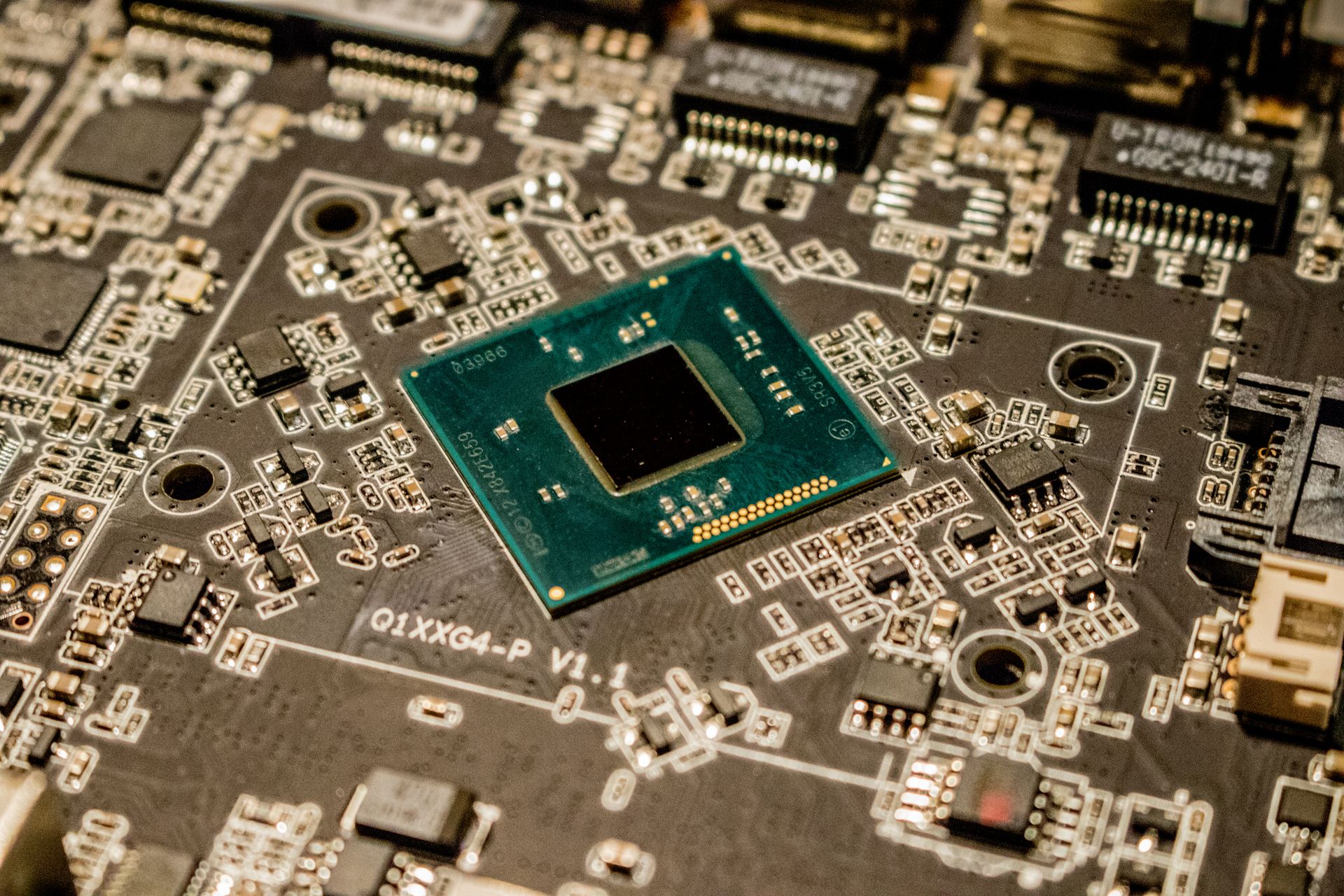
OpenAI reportedly plans to buy AI chips from Google, according to The Information. That move would turn its fiercest rival into one of its suppliers. The report, carried by Reuters on October 28, cites a person familiar with the matter. It discloses no financial terms. Google did not immediately respond to a request for comment. OpenAI declined to comment. Nothing here is confirmed. That is part of the story. Even the rumour of this purchase moved Alphabet shares 1.2 percent higher.
Why OpenAI Google chips matter more than another model launch
Forget model benchmarks for a moment. Who controls the hardware underneath the models increasingly decides the AI race. OpenAI now acts like a company that knows it cannot afford a single supplier. OpenAI is one of the largest buyers of Nvidia graphics processing units. The chips help it train models and run inference. Buying from Google does not replace that relationship. It gives OpenAI leverage inside it and a second source to point to in every negotiation. That also offers a hedge if supply tightens.
This is also not a cold start. Reuters reported in June 2025 that OpenAI had begun renting Google chips. In October 2026, OpenAI announced its top models would be sold through Google Cloud. Its exclusive distribution arrangement with Microsoft expired in April. The relationship has been deepening in plain sight for months. A chip purchase would be the next logical step, not a sudden reversal.
Rivals in search, partners in silicon
Google and OpenAI compete head on in chatbots and search. That is what makes this story strange and interesting at the same time. Google’s Tensor Processing Units, or TPUs, have gained traction as an alternative to Nvidia’s market leading chips. Companies look for cheaper options and chips better suited to running models. Google began selling TPUs directly to some customers this year. Previously, it rented them only through its cloud.
OpenAI is not the only buyer testing that door. Oracle said on October 27 that it will begin offering Google’s TPUs for the first time. That came alongside an expanded Nvidia deal at multi gigawatt scale. It also came with new inference offerings from Cerebras and SambaNova. Oracle Cloud president Mahesh Thiagarajan put it plainly: “Different AI workloads have different compute needs.” That sentence is the whole market in miniature. Training still belongs mostly to Nvidia. Inference is the business of answering user prompts at scale. It is up for grabs, and Google wants a share of it.
Nvidia is not being dumped. It is being negotiated with
It would be wrong to read this as OpenAI breaking with Nvidia. The evidence supports diversification and leverage, not a divorce. Nvidia still dominates training. OpenAI still buys its GPUs at enormous scale. No source has suggested otherwise. What has changed is the assumption that one supplier is enough. When the biggest buyer in the market starts shopping elsewhere, every other buyer gets permission to do the same. Every supplier gets a warning.
Investors will get a fresh data point within hours. Alphabet reports quarterly results after the market closes on Wednesday, October 28. Attention will focus on whether heavy AI investment keeps driving cloud growth. Another very strong quarter looks likely for Google Cloud. Any comment on TPU sales or OpenAI will draw close attention. Microsoft reports the same evening. By Thursday morning, the market will have a much clearer picture. That picture will show whether the AI infrastructure boom is paying for itself.
The lesson for founders: audit your single point of failure
Here is the part that matters to readers who will never buy a chip. OpenAI, the most powerful AI company in the world, is diversifying its most critical input. So a startup with one vendor for its most critical input is far more exposed than it thinks. Models get copied in months. Chip supply, power contracts and compute access decide who ships and who waits.
Founders should do this audit now, before they need to. List the inputs your business cannot run without. For each one, ask what happens if the price doubles, the lead time triples, or the supplier changes its terms. Then find a second source while you still have negotiating power. Negotiating from weakness costs far more than a backup supplier ever will. The next great AI rivalry will not play out in model benchmarks. It will play out in foundries, power grids and procurement meetings. OpenAI just showed everyone which game it is playing.
Related: Leadership and management, Anthropic’s IPO filing, and Texas Sues OpenAI and Sam Altman Over ChatGPT Safety.
Photo by Jeremy Waterhouse on Pexels.
Free downloads for founders
Get the weekly startup funding tracker, the founder press checklist, and the CEO Medium media kit. Enter your work email and they're yours.
Browse free resourcesFollow CEO Medium
Leadership stories & founder interviews, wherever you are.
