
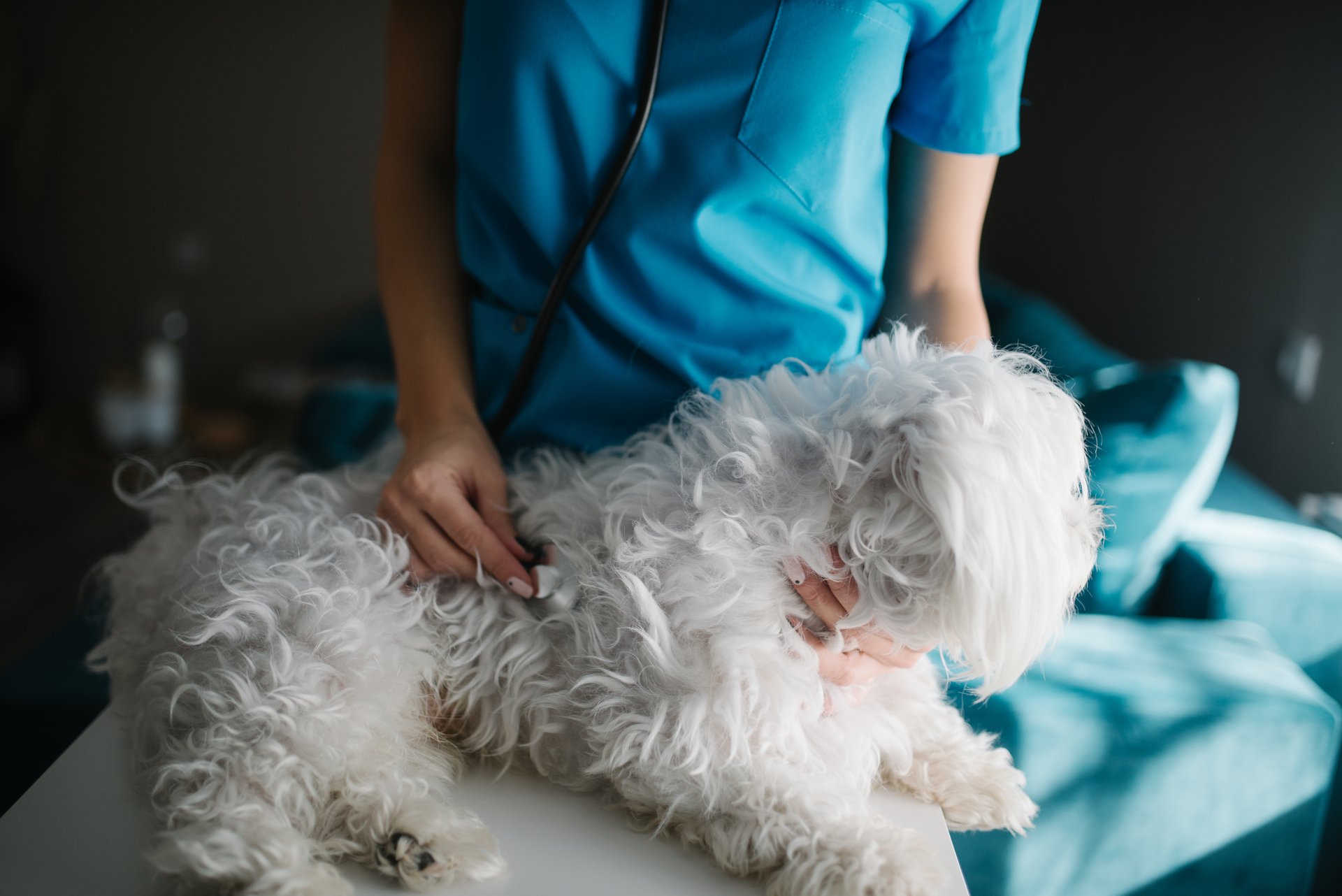
The Familiar Therapeutics funding round announced on Thursday is small by biotech standards. In fact, it is unusual by any standard. The Redwood City company has raised a $5 million seed round. Its goal is something the drug industry has largely declined to do. It takes medicines built for people. Then it finishes the work of making them legal, tested treatments for dogs and cats. Pioneer Fund, Icehouse Ventures and BreakTHRU led the round, with angel investors joining. BreakTHRU is a syndicate of animal health leaders and veterinarians. Behind the company sits a founder with relevant form. She has already built and sold one business in the gap between science and the market.
Start with the gap itself, because the numbers are stark. The US Food and Drug Administration approves fewer than 10 new drugs each year for companion animals. For people, the figure is more than 50. Yet dogs and cats develop many of the same diseases as their owners. Often, the same underlying biology drives them: cancers, heart disease, immune disorders and neurological conditions. When a pet gets sick today, veterinarians routinely reach for human medicines. They use them off-label. They do so without dosing or safety data for the species in front of them. The treatment exists. The evidence package does not. And nobody has owned the job of creating it.
A licensing model built on other people’s research
Familiar Therapeutics exists to own exactly that job. Elizabeth Iorns co-founded the company as chief executive. Dan Knox co-founded it as chief operating officer. The company licenses the veterinary rights to drugs with years of human research behind them. Then it leads the clinical development and manufacturing work. That work wins FDA approval for dogs and cats. Each programme starts partway down the road. As a result, the company believes it can move significantly faster than rivals. A new animal drug typically takes seven to ten years from scratch.
The lead programmes target conditions where owners currently have few real options. They include hemangiosarcoma, an aggressive cancer common in dogs. They also cover intervertebral disc disease. In addition, they cover respiratory disorders in flat-faced breeds and immune-mediated diseases. The seed money is earmarked for moving those lead programmes into clinical studies. It will also advance the wider pipeline, according to the company’s launch release.
What separates this launch from most seed announcements is how much has already happened. In its first five months, Familiar has built 13 programmes. They span oncology, neurology, cardiology, respiratory disease and immunology. It has signed several licensing agreements with pharmaceutical and biotech partners. It has also opened two investigational new animal drug files. Those files sit with the FDA’s Center for Veterinary Medicine. In addition, it has filed a provisional patent. Its first clinical study is set to open this autumn. The University of Illinois Veterinary Teaching Hospital will host it. Most companies announce a seed round with a slide deck. In contrast, this one announced it with a pipeline, regulatory files and a teaching hospital.
The founder has done the unglamorous part before
Iorns is a cancer biologist by training, with a PhD in cancer biology. She ran into a version of this problem from the other side. As a young researcher, she struggled to find collaborators and suppliers. So in 2011, she co-founded Science Exchange with Knox. Science Exchange is a marketplace that let scientists outsource experiments to verified labs. The company went through Y Combinator. It also raised from investors including Union Square Ventures and Index Ventures. Iorns then led it through its acquisition in 2024. Knox ran operations there. In effect, Familiar is the same founding team. It points the same skill at a new market. It is building the trusted intermediary layer in a fragmented, specialist industry. In that industry, the science is strong and the infrastructure is weak.
Her framing of the mission is clinical rather than sentimental. “Our goal is to give vets proven, FDA-approved treatments that change the course of serious diseases in dogs and cats, where today they often have very few options,” Iorns said at the launch. Note what that sentence promises. It does not promise wellness apps or diagnostics dashboards. Instead, it promises approved drugs that change outcomes. It is the most regulated, slowest and most defensible corner of the pet economy. She chose it deliberately.
What the Familiar Therapeutics funding has to prove
None of this makes the next stage easy, and the risks are specific. Licensing cuts both ways. Familiar’s pipeline depends on pharmaceutical partners. Those partners must keep handing over veterinary rights to their compounds. It also depends on terms a seed-stage company can afford. Regulatory files are not approvals. The FDA’s Center for Veterinary Medicine will still require species-specific safety and efficacy data. It requires that data for every programme. Thirteen programmes in five months is an impressive rate of deal-making. However, it also spreads a small team across five therapeutic areas. That spread comes before any single programme has read out clinical results. The discipline question is whether the company sequences ruthlessly. The alternative is trying to run everything at once.
The market timing question
There is also a market timing question. Pet owners have shown, repeatedly, that they will pay for treatments. Those treatments extend a dog’s or cat’s life. Meanwhile, human drug pipelines keep producing compounds whose veterinary rights sit unused. Familiar’s bet is that the arbitrage between those two facts is wide enough to build a company on. The $5 million buys the first clinical studies. Those studies are the evidence that will make or break the next raise.
For founders, the transferable lesson is about second acts. Iorns and Knox did not chase a trend after their exit. Instead, they recycled a decade of pattern recognition. That pattern recognition covers how science actually gets bought, sold and delivered. Then they applied it to an adjacent market where the same friction existed. We make a related point in our piece on how much a founder should pay themselves in year one. Early-stage success usually comes from discipline about the unglamorous fundamentals, not from novelty. Familiar’s founders have swapped novelty for leverage. They are profiled alongside other operators in our Women Founders & Leaders hub.
The verdict on this seed round will not come from the announcement. It will come when the first Familiar study reads out at the University of Illinois. It will also come when the first licensed compound clears the FDA. That compound will clear it for a species it was never originally designed for. If that happens even once, the model stops being a curiosity. Instead, it becomes a template: a standing bridge between human medicine and the animals. Those animals share our homes and, increasingly, our diseases.
Photo: Nenad Stojkovic, CC BY 2.0, via Wikimedia Commons
Free downloads for founders
Get the weekly startup funding tracker, the founder press checklist, and the CEO Medium media kit. Enter your work email and they're yours.
Browse free resourcesFollow CEO Medium
Leadership stories & founder interviews, wherever you are.
